Introduction: pressure washing vs power washing in plain terms
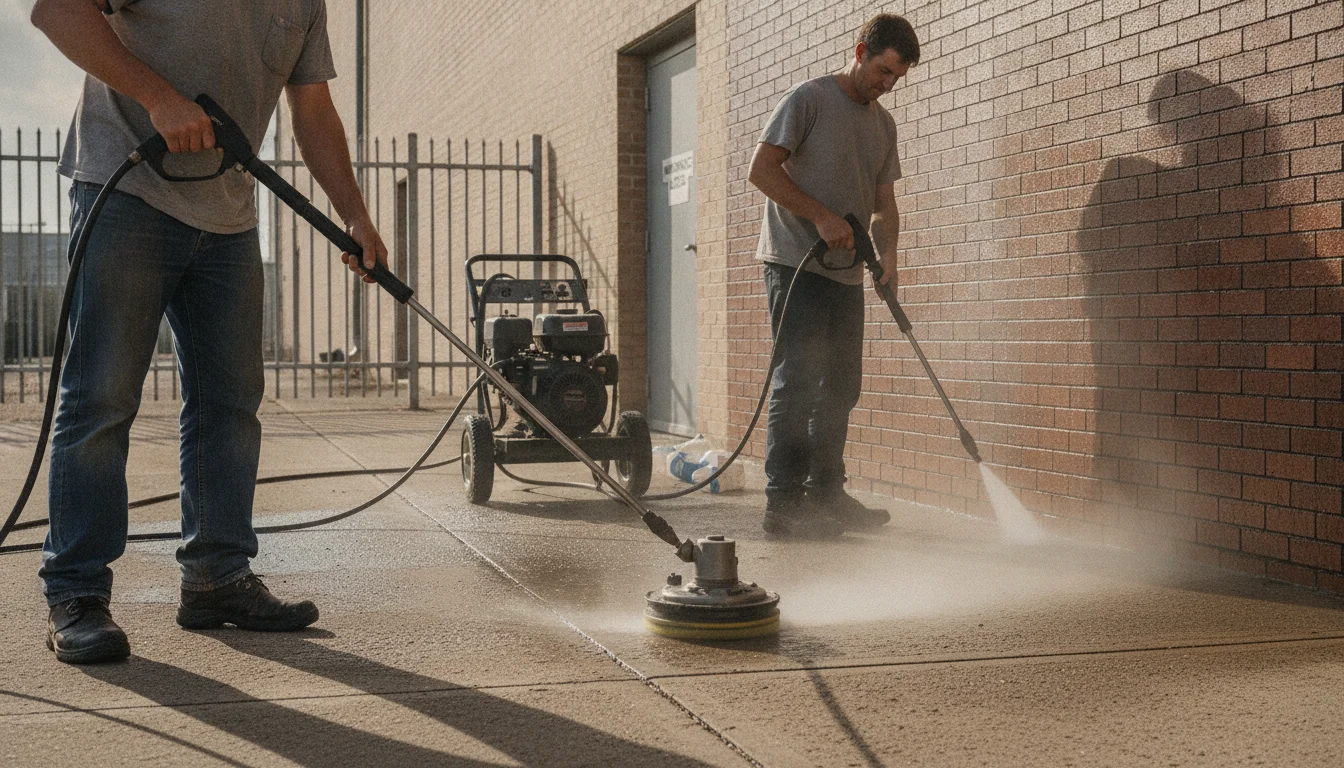
A neighbor once wheeled a cart washer across his driveway in Alpharetta and watched years of grime peel away in strips. The walkway looked great, but a wood step ended up etched. Two lessons landed fast: heat matters, and so does matching the method to the surface.
Here’s the plain answer to pressure washing vs power washing right up front: pressure washing uses unheated water under force; power washing is the same pressurized water with added heat. Heat helps loosen oils and grease, but pressure and water flow still need to be set for the surface so you clean effectively without damage.
In brief, pressure washing is best for routine exterior rinsing and delicate materials, while power washing shines on durable surfaces with heavy, oily soils. Local pros in Alpharetta select the method by balancing force, flow, temperature, and chemistry for safe, consistent results.
Key Takeaways
- Pressure washing is unheated; power washing uses heated water. Choose based on surface type and soil.
- Heat accelerates cleaning on oil, grease, and gum but can raise risk on delicate materials.
- Results come from the right mix of PSI, GPM, temperature, and detergent—not pressure alone.
- Soft washing (low pressure plus solution) is safer for stucco, roofs, and sensitive siding.
- Ask how a provider controls runoff and protects plants, windows, and nearby areas during cleaning.
Table of Contents
- The short answer: what’s the difference and why heat changes everything
- Inside the machines: PSI, GPM, temperature controls, and nozzles
- When pressure washing (unheated) is the right choice
- When power washing (heated) is the right choice
- Chemistry matters: detergents, pretreatments, and dwell time
- DIY or hire a pro? Safety, warranties, and real‑world risks
- Cost, timing, and choosing the right provider
1. Pressure washing vs power washing: the short answer and why heat changes everything
Professional cleaners use the term “pressure washing” for unheated water under force, and “power washing” for pressurized water that is heated. A pressure washer is a pump that delivers water at a set force, while a power washer adds a burner or heat coil to raise water temperature as it flows.
Heat changes cleaning in predictable ways. Warm water loosens oils and fats and helps detergents work more efficiently—like rinsing a greasy pan with hot water. On concrete and metal, heat can speed up work and help remove gum, oil, and salt. On delicate siding or wood, excessive heat can raise grain or leave marks if misapplied.
Safety shifts with temperature, too. Heated spray can cause burns, soften old paint, and swell some seals. It may also create steam that clouds visibility. Experienced pros reduce pressure when using heat and manage runoff to keep people, pets, and plants safe.
One more core idea: great results come from the right blend of force, flow, heat, and soap. Heat isn’t a cure‑all. On vinyl siding with pollen, unheated water and a mild detergent often outperform heat. On a greasy loading dock, though, heat can save hours. Alpharetta Pressure Washing works across Alpharetta weekly, and these choices guide each job.
What professionals mean by each term
Pressure washing: unheated water under pressure, ideal for routine exterior cleaning. Power washing: heated water under pressure, used for heavy soils on hard, durable surfaces. Both can be tuned gentle or strong based on setup.
How heat affects cleaning results and safety
Heat speeds chemical action and lifts oily soils, but it can raise risk to soft materials and skin. Pros balance temperature, pressure, and working distance to clean thoroughly without harm.
2. Inside the machines: PSI, GPM, temperature controls, and nozzles
When comparing pressure washing vs power washing, machine settings do the heavy lifting. Three numbers drive outcomes: PSI, GPM, and temperature. PSI (pounds per square inch) is water force. GPM (gallons per minute) is water volume. Temperature is water heat. Higher PSI scours, higher GPM rinses, and heat loosens grime. Together, they determine speed and safety.
Pros match PSI and GPM to the surface before thinking about the stain. Softer materials like cedar or stucco need lower PSI and often more detergent. Tough materials like cured concrete can take higher PSI and wide flow. Then the soil type matters: mildew needs chemistry and dwell time; oil responds to heat; dust and cobwebs rinse with light pressure and volume.
Nozzles set the angle and impact. A 0° tip concentrates force to a pinpoint and is rarely safe on home exteriors. Wider angles (15°, 25°, 40°) spread force. A 40° or 25° tip is common for siding rinses. Specialty tips, such as rotary (turbo) nozzles, spin a small jet to scrub concrete faster. Surface cleaners—round decks with spinning arms—create even passes on large flat areas without striping.
Temperature controls on power washers adjust burner output, often up to very hot water. Skilled technicians keep heat in a safe range for the material and stain type. Hoses, wands, and downstream injectors also matter. They allow detergents to mix into the flow, then rinse away with clean water.
Matching PSI and GPM to the surface versus the stain
Start with the surface limit. Choose lower PSI for soft siding and wood and rely on higher flow and detergents to move soil. Then tailor to the stain with the right cleaner and, when needed, heat.
Nozzle angles, surface cleaners, and accessory choices
Wider tips and surface cleaners cut the risk of streaks. Rotary tips speed concrete work. Extension wands and soft‑wash rigs often replace ladders for safer, more consistent cleaning.
3. When pressure washing (unheated) is the right choice
Unheated pressure washing excels on routine soil and sensitive areas. Think dust on vinyl, pollen on screens, and cobwebs on soffits. Light mildew, loose paint flakes before repainting, and general haze on fences and decks also fit. The goal is a controlled rinse with the correct detergent and angle.
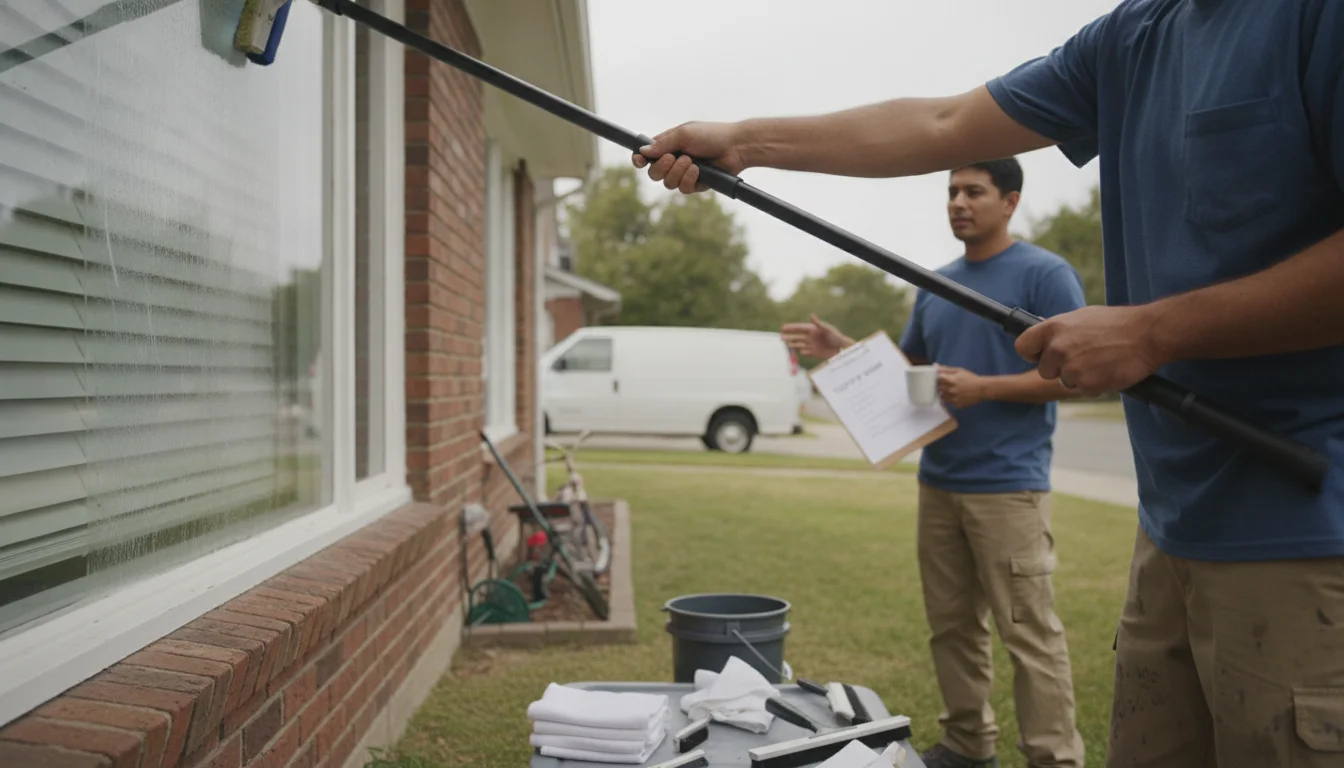
Siding is a prime example. Vinyl, fiber cement, and painted surfaces respond well to low pressure combined with the proper detergents. Deck boards and fences need care to avoid raising the grain. A wide‑angle tip, steady distance, and smooth passes help protect the surface. Screens and outdoor furniture clean quickly with lower force and more flow.
Vehicles and small equipment typically benefit from unheated cleaning. Many soaps are formulated to break road film at ambient temperatures. On these surfaces, extra heat adds little value and increases risk. Unheated water with the right rinse technique is generally safer.
On multi‑surface homes, pros often pair unheated rinses with soft washing to address algae and mildew. Soft washing uses low pressure plus a solution that kills organic growth, protecting siding, shingles, and trim while slowing regrowth. For homeowners planning Driveway Cleaning Services in Alpharetta, GA, pressure washing without heat—done correctly—can lift dirt and tire marks before runoff carries grit back.
Alpharetta Pressure Washing serves homes and small businesses throughout Alpharetta and nearby communities using these gentler setups. The team aims for clean results without damage, always selecting the least aggressive method that still solves the problem.
Surfaces it suits: siding, decks, fences, screens, vehicles
Use unheated water on vinyl, painted trim, wood decks, fences, patio furniture, screens, and vehicles. Keep PSI low and use wide tips to limit marks.
Stains it handles: dust, pollen, light mildew, cobwebs, loose paint
Expect good results with atmospheric dirt, spider webs, bird droppings, and light organic film. Combine with detergents for mildew and pre‑paint prep to remove loose flakes.
4. When power washing (heated) is the right choice
Heated water changes the game on hard surfaces with heavy soils. Concrete, brick, and metal pads hold onto oil, grease, and gum. Heat weakens those bonds so stains lift faster and more completely. Commercial pads, restaurant service areas, and shop floors often require heat to meet standards and look clean.
Concrete driveways with oil spots respond to pretreatments followed by heated rinses. Gum on sidewalks softens under heat and releases cleanly. In winter‑prone regions, salt and de‑icer films can cling to entries and ramps; warm water helps remove residues that draw moisture and accelerate wear. Metal grates and equipment housings also release grime more readily with heat.
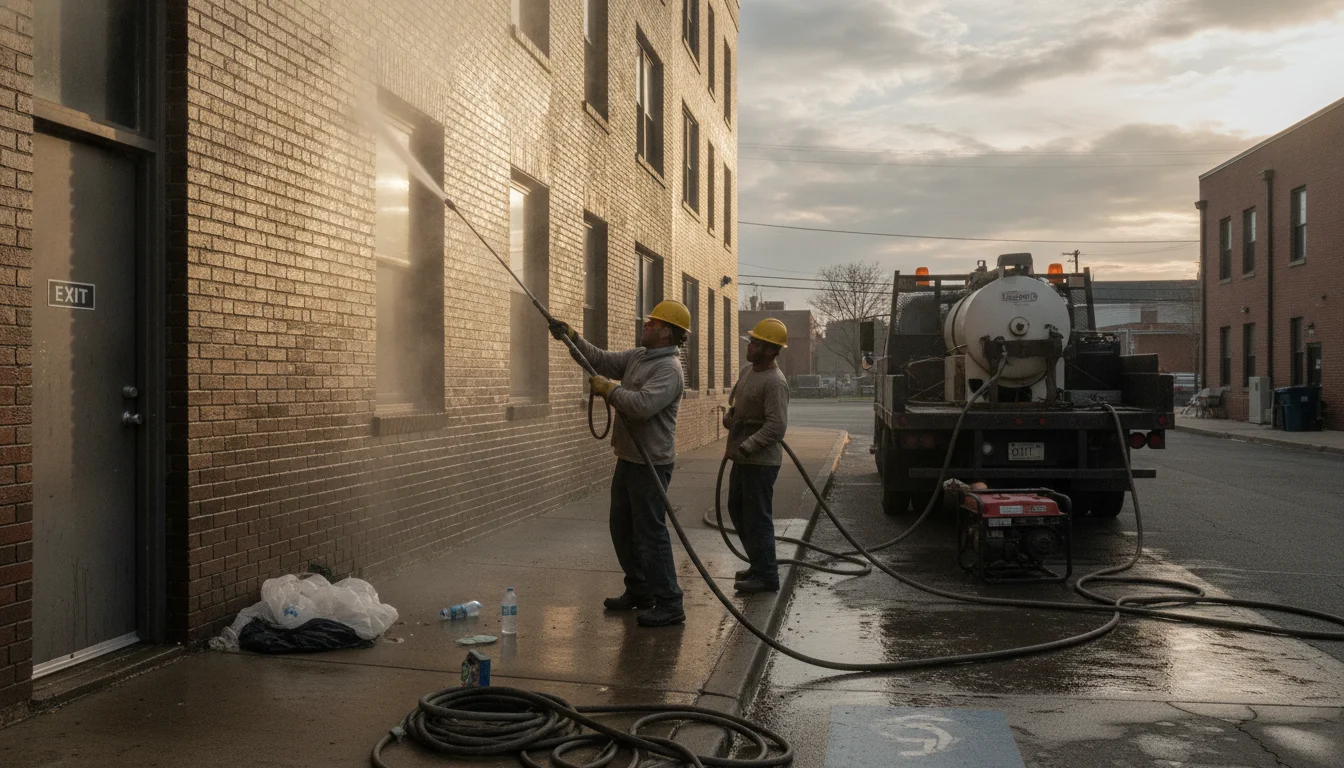
Power washing also proves useful in parking decks and loading docks. Safety improves when slick films are removed, and heat helps cut that slippery layer. Paired with a surface cleaner, heated washing evens out large areas without striping. For businesses planning Commercial Pressure Washing in Alpharetta, GA or Parking Lot Cleaning Services in Alpharetta, GA, added heat can shorten downtime by speeding cleanup.
Still, temperature must be managed. Mortar joints, sealed surfaces, and coatings can soften if pressure and heat exceed safe limits. Pros adjust settings and test a small area first. On brick and pavers, they watch for sand loss and avoid forcing water into joints.
Surfaces it suits: concrete, brick, metal, commercial pads
Use heat on dense, durable surfaces: driveways, sidewalks, shop floors, dumpster pads, and steel. Combine with even, overlapping passes for a consistent finish.
Stains it handles: oil, grease, gum, salt, tough algae
Heat loosens petroleum, softens gum, and helps remove salt film. For stubborn algae on concrete, heat plus the right detergent can speed results.
5. Chemistry matters: detergents, pretreatments, and dwell time
Great cleaning isn’t about brute force. It’s about selecting the right cleaner and letting it work for the right time. Detergents lift soils. Degreasers break down oils. Oxidizers target organic growth. “Dwell time” is the period a solution sits on a surface before rinsing. Too short, and product is wasted; too long, and you risk streaks or plant stress.
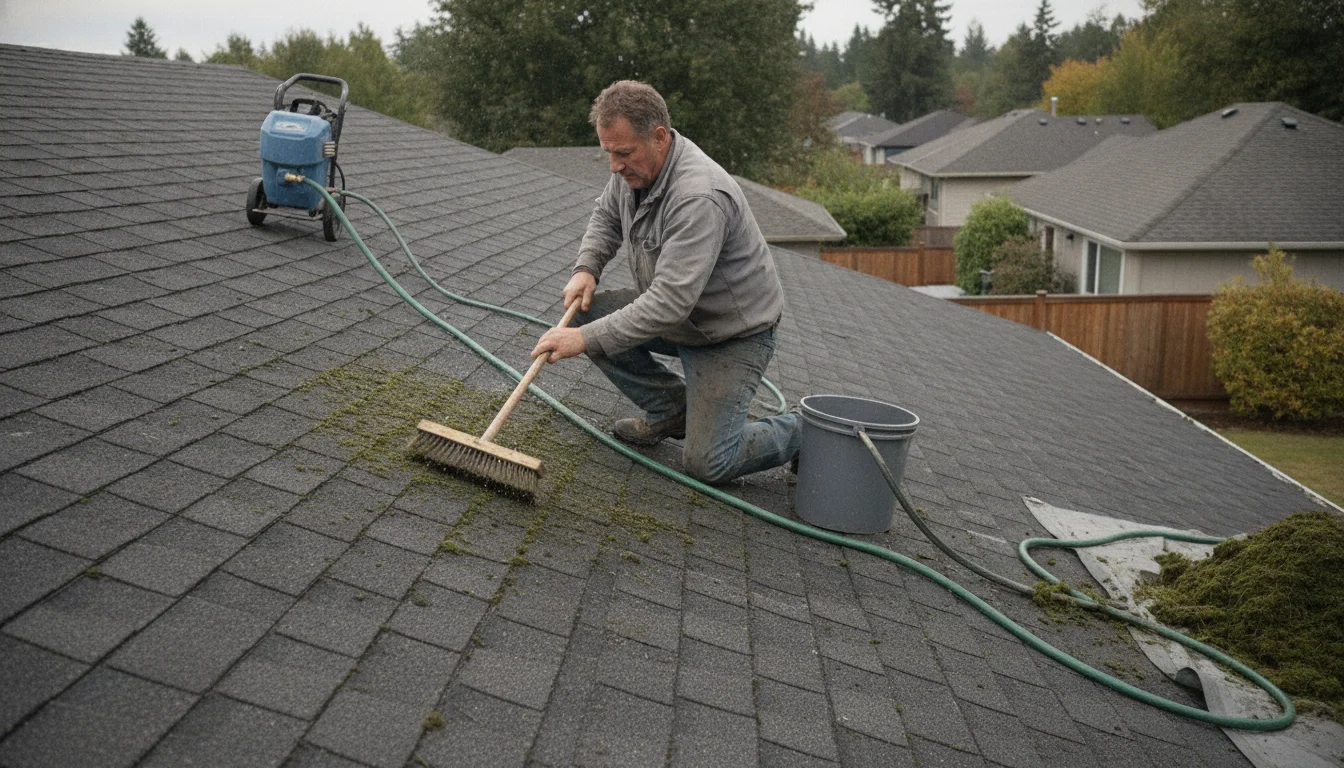
Soft washing fits this conversation directly. Soft washing means low pressure with cleaning solutions that kill and release mold, mildew, and algae. It protects delicate surfaces such as stucco, EIFS, and shingles. Many stucco homes in Alpharetta benefit from this approach. Soft washing can be safer than high pressure on those walls because strong jets can scar finishes or drive water behind them.
Pretreatments help with oil, rust, and organic stains. A controlled rinse—heated if needed—finishes the job. On patios and pool decks, pre‑wetting plants, applying solutions carefully, and rinsing thoroughly protects the landscape. For Patio Cleaning Services in Alpharetta, GA, technicians often apply a mild mix, allow dwell time, then rinse with low pressure to avoid wand marks.
Environmental rules matter, too. Pros manage runoff to keep soaps out of storm drains that lead to streams. They block inlets, vacuum water, or use approved cleaners. Some areas require capture or specific best practices. Teams also protect nearby windows, doors, and outlets from spray and overspray.
Where soft washing fits and why lower pressure can be safer
Soft washing is ideal for stucco, roofs, and painted siding. Lower pressure prevents etching and water intrusion while the solution does the work.
Environmental and runoff considerations you can’t ignore
Pros dilute, contain, or recover wash water. They use plant‑safe methods and follow local rules to safeguard drains, soil, and pets.
6. DIY or hire a pro? Safety, warranties, and real‑world risks
DIY units can handle basic tasks, but risk rises quickly on ladders, roofs, and soft materials. High‑pressure water can cut skin and damage caulk, screens, and seals. Heated systems add burn hazards. Many building product warranties caution against excessive PSI or improper methods. Using the wrong tip or cleaner can void those warranties.
Common damage comes from working too close with a narrow tip, forcing water behind siding, or dislodging shingle granules. Etching lines on concrete happen when a wand lingers in one spot too long. On wood, heavy passes raise the grain and leave stripes. Window seals, light fixtures, and vents can leak if sprayed head‑on.
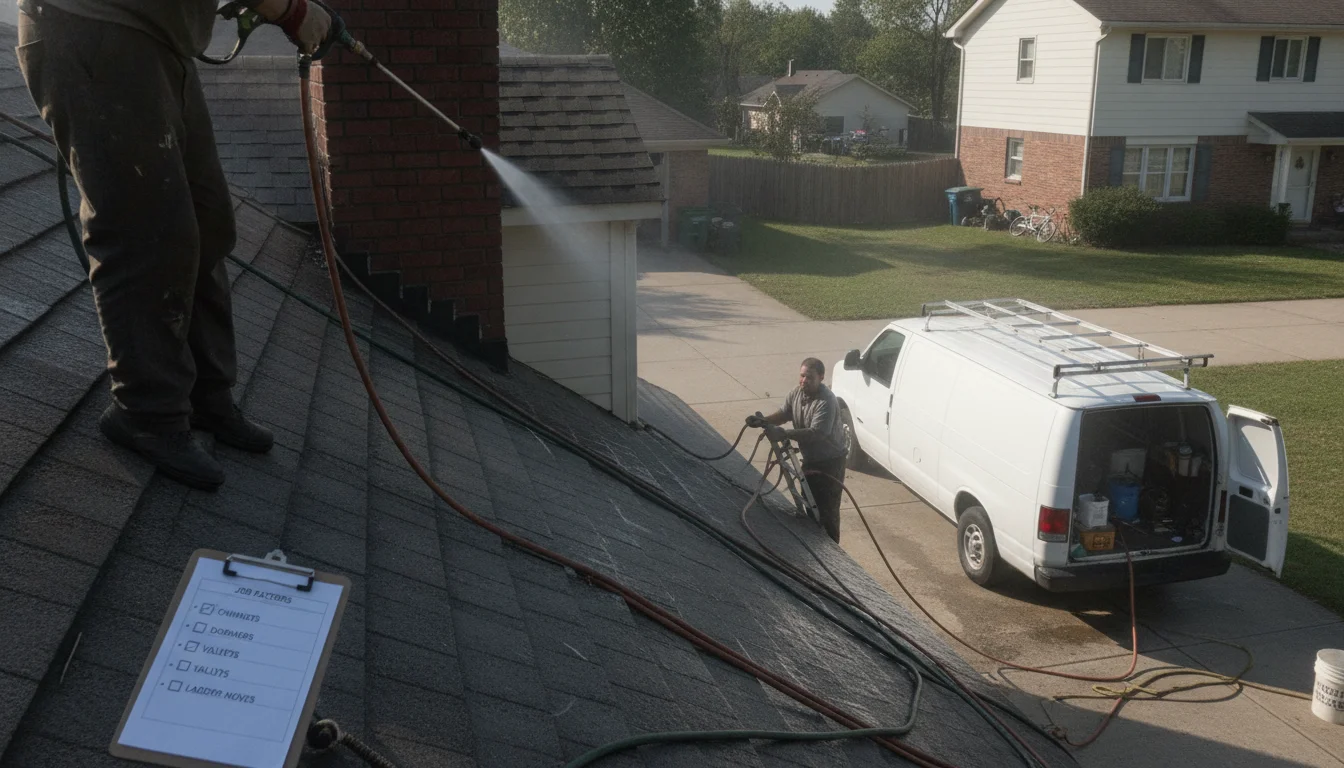
Pros prevent these issues with planning and setup. They test a small, inconspicuous area first. They switch to soft washing on sensitive siding. They set ladders correctly or use extension wands and staged rinses from the ground. They shield outlets, tape door sweeps, and pre‑wet plants before and after solutions. Scheduling also matters: avoiding strong winds and allowing enough daylight to verify results.
Job staging builds speed and consistency. Teams clear debris, pretreat stains, then wash in sections from top to bottom. They manage hoses and set safe walking paths. With Concrete Cleaning Services in Alpharetta, GA, for example, pretreating oil, using a surface cleaner, and then edging the borders creates a uniform finish without zebra stripes.
Common damage pitfalls and how pros prevent them
Avoid narrow tips on fragile materials. Keep a steady working distance. Pre‑wet plants. Use soft wash on stucco and shingles. Test a small area before full passes.
How professionals stage jobs for speed and consistency
Pros plan water access, block off foot traffic, and work in zones. They pretreat stains, deploy surface cleaners on flatwork, and finish with detail rinses.
7. Cost, timing, and choosing the right provider
Every property is unique. Costs vary with size, soil level, height, access, and method. Heated work with water recovery can take longer but may reduce repeat passes. Unheated home rinses often move faster, but algae treatment needs dwell time. Many properties in Alpharetta benefit from seasonal care. Driveways and sidewalks may need cleaning once or twice a year. Siding schedules depend on shade and tree cover.
Timelines depend on scope. A typical home wash may be finished in hours. A commercial pad or parking lot may require after‑hours work for safety and access. Weather affects planning, too. Mild days help detergents work and allow full rinses and dry time before nightfall.
Choosing a provider is about process and care. Ask how they match PSI, GPM, and temperature to your surfaces. Ask which detergents they use and how they protect plants and manage runoff. A good team will explain when they choose soft washing, pressure washing, or power washing—and why.
For businesses in Alpharetta, Commercial Pressure Washing in Alpharetta, GA keeps storefronts tidy and safer underfoot. Homeowners rely on Driveway Cleaning Services in Alpharetta, GA to clear oil and tire marks. Alpharetta Pressure Washing supports the Alpharetta area with careful methods and clear communication.
Pricing factors, timelines, and maintenance intervals
Scope, soil, access, height, and method shape the plan. Seasonal schedules for high‑traffic concrete and shaded siding help keep surfaces clean.
Key questions to ask before you book
- What surfaces will you soft wash versus pressure or power wash, and why?
- How do you control PSI, GPM, nozzle angle, and temperature for each area?
- What detergents will you use, and how will you protect plants and drains?
- How will you stage the job to avoid stripes, etching, or water intrusion?
- What maintenance interval do you suggest for my property?
Frequently Asked Questions
Q: Is soft washing safe for stucco homes?
A: Yes, when done correctly. Soft washing uses low pressure and a solution that treats mold and algae. It avoids forcing water into stucco, which can cause cracks or stains. A gentle rinse follows after a set dwell time. Many pros choose soft wash for stucco and EIFS.
Q: Can you power wash a stucco house?
A: It isn’t recommended. High heat and pressure can damage stucco, push water behind finishes, and leave marks. Soft washing is safer. If any pressure is used, it should be very low with a wide tip, tested first, and applied at a safe distance.
Q: What is the difference between pressure washing and soft washing?
A: Pressure washing relies on water force to rinse dirt. Soft washing uses low pressure with a cleaning solution that kills and loosens organic growth. Soft washing protects delicate surfaces like siding, stucco, and roofs and reduces the risk of damage compared to high‑pressure rinses.
Q: How much pressure is safe for stucco?
A: Keep it very low—often near garden‑hose levels for the final rinse after a soft wash treatment. The key is chemistry and dwell time, not force. Always test a small area and avoid direct, close‑up spray at seams and edges.
Q: When should I choose power washing over pressure washing?
A: Choose power washing for oil, grease, gum, and salt on durable surfaces like concrete or metal. Heat speeds cleaning and helps break tough grime. For siding, wood, and painted areas, unheated pressure washing or soft washing is usually the safer path.
Key takeaways
- Pressure washing is unheated; power washing adds heat. Pick based on surface and soil.
- Match PSI, GPM, heat, and detergent to clean thoroughly without harming materials.
- Use soft washing on stucco, roofs, and delicate siding to reduce risk.
- Heat helps on oil, grease, gum, and salt on concrete and metal.
- Plan for safety and runoff to protect people, plants, and property.
Conclusion
The right method is a balance of force, flow, heat, and chemistry. Start with the surface, then choose the tool for the stain. Now that you understand pressure washing vs power washing, that approach delivers clean, even results without unnecessary risk. Need help in Alpharetta? Contact us.
Alpharetta Pressure Washing helps homeowners and businesses across Alpharetta choose the safest, most effective method for each surface—from siding and decks to pads and parking lots. For larger projects, consider Concrete Cleaning Services in Alpharetta, GA or Patio Cleaning Services in Alpharetta, GA for outdoor spaces that look cared for and last longer.
If you are unsure which method fits your surface, it’s worth having an experienced eye review conditions before it becomes a bigger job. Alpharetta Pressure Washing understands local materials and weather and can recommend the right plan for your property.
If you are not sure which of these you are dealing with, it is worth having someone look at it before it turns into a bigger job. Get in touch with Alpharetta Pressure Washing today and we will tell you where you stand.